











20. Special menu options: vegetarian, vegan and gluten-free.
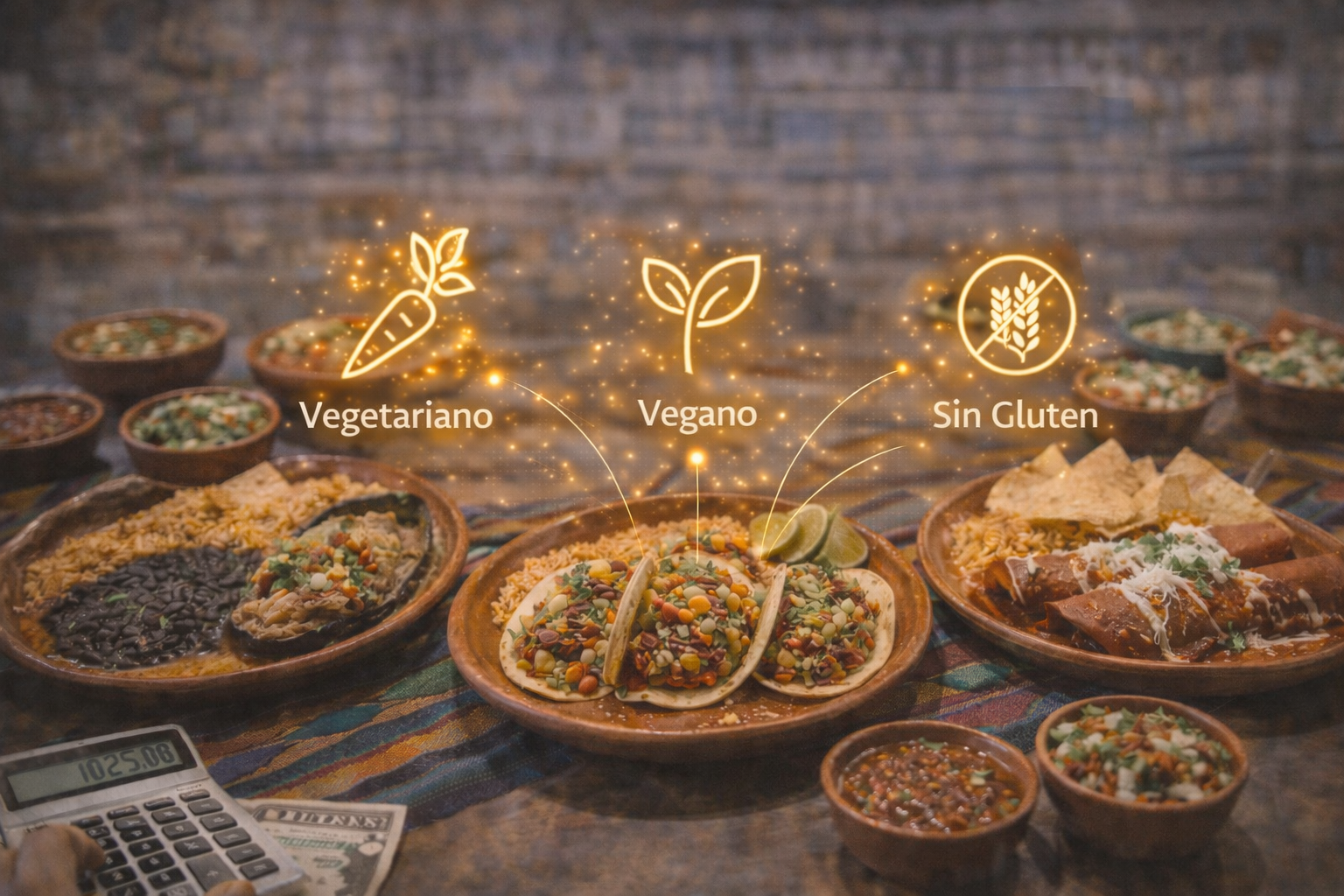
Special menu options: vegetarian, vegan and gluten-free
The dietary needs of diners today have evolved considerably, leading restaurants to diversify their menus to cater to a wider variety of dietary preferences and restrictions. Menus that include vegetarian, vegan and gluten-free options are not only a way to be more inclusive, but can also be a great way to attract new customers and build loyalty in those looking to enjoy a dining experience that fits their needs. Adapting the menu to these preferences does not have to be complicated, and doing so can transform the perception of a restaurant, highlighting it for its customer service and commitment to diversity.
Vegetarian menus: creativity and flavor without meat
Vegetarian options are no longer limited to salads or meatless dishes. Today, vegetarian cuisine has gained impressive popularity, with many diners looking for dishes that offer vibrant flavors and interesting textures without relying on animal proteins. Mexican cuisine is especially rich in ingredients that allow for the creation of tasty and varied dishes suitable for vegetarians, such as the use of beans, corn, avocado, chili peppers, and a wide variety of vegetables and spices.
Dishes such as mushroom enchiladas, cactus tacos, or bean and cheese burritos are just a few examples of how a menu can be adapted without sacrificing flavor or authenticity. Including these dishes not only diversifies the menu, but also shows an openness to an increasingly large audience looking to enjoy vegetarian options without missing out on the experience of a traditional Mexican restaurant.
Vegan menus: authenticity without animal products
Vegan options go a step further by eliminating any animal products. For some, this may seem like a challenge, but in reality, Mexican cuisine has a wealth of naturally vegan ingredients that can be used to create delicious dishes. Guacamoles, salsas made with fresh ingredients, the use of corn tortillas, and beans as the main source of protein are fundamental pillars in the creation of authentic and delicious vegan menus.
In a restaurant that offers vegan dishes, it is essential to ensure that not only animal products are eliminated, but that fresh and local ingredients are also used to create dishes that are satisfying and balanced. Dishes such as mushroom tacos with green salsa, avocado toast with pico de gallo or corn tamales stuffed with vegetables are some ideas to incorporate vegan options that maintain the essence of Mexican gastronomy. In addition, communicating the offer of vegan options on the menu can attract a rapidly growing segment of consumers who value not only what they eat, but the ethical impact of their decisions.
Gluten-free menus: safety and flavor in every bite
More and more people need gluten-free options due to health conditions such as celiac disease or gluten sensitivity. Offering gluten-free options is not only a matter of hospitality, but of safety for those who have strict dietary restrictions. Mexican cuisine, by using many corn-based preparations (such as tortillas and tamales), already has a large number of naturally gluten-free options. When designing a gluten-free menu, it is important to pay attention to details, such as avoiding cross-contamination in the kitchen and ensuring that the ingredients used are certified gluten-free. Dishes such as corn tacos with vegetable-based fillings, Mexican rice with bean salad, or sopes with guacamole and fresh salsa are perfect to incorporate into a gluten-free menu without losing the essence of Mexican cuisine. It is also crucial to include clear instructions on the menu so that diners feel safe and well cared for.
Benefits of including special menus in a restaurant
Offering vegetarian, vegan and gluten-free menus is not only a strategy to increase sales, but also to show a commitment to a more inclusive and diverse clientele. Today's consumers are increasingly informed and look for places that not only offer delicious food, but also care about their needs and lifestyles. By including these options, the restaurant becomes an accessible destination for broader groups of people, allowing friends and family with different dietary restrictions or preferences to enjoy an excellent meal together. Furthermore, adapting the menu to meet these needs shows sensitivity to current trends, such as the growing interest in health, sustainability and well-being. This not only benefits the restaurant, but also the food service industry.

Catalog
Equipa tu restaurante
Muebles artesanales mexicanos para crear espacios únicos e inolvidables.
Ver productos