





30. Sustainable Practices to Reduce Environmental Impact in Restaurants
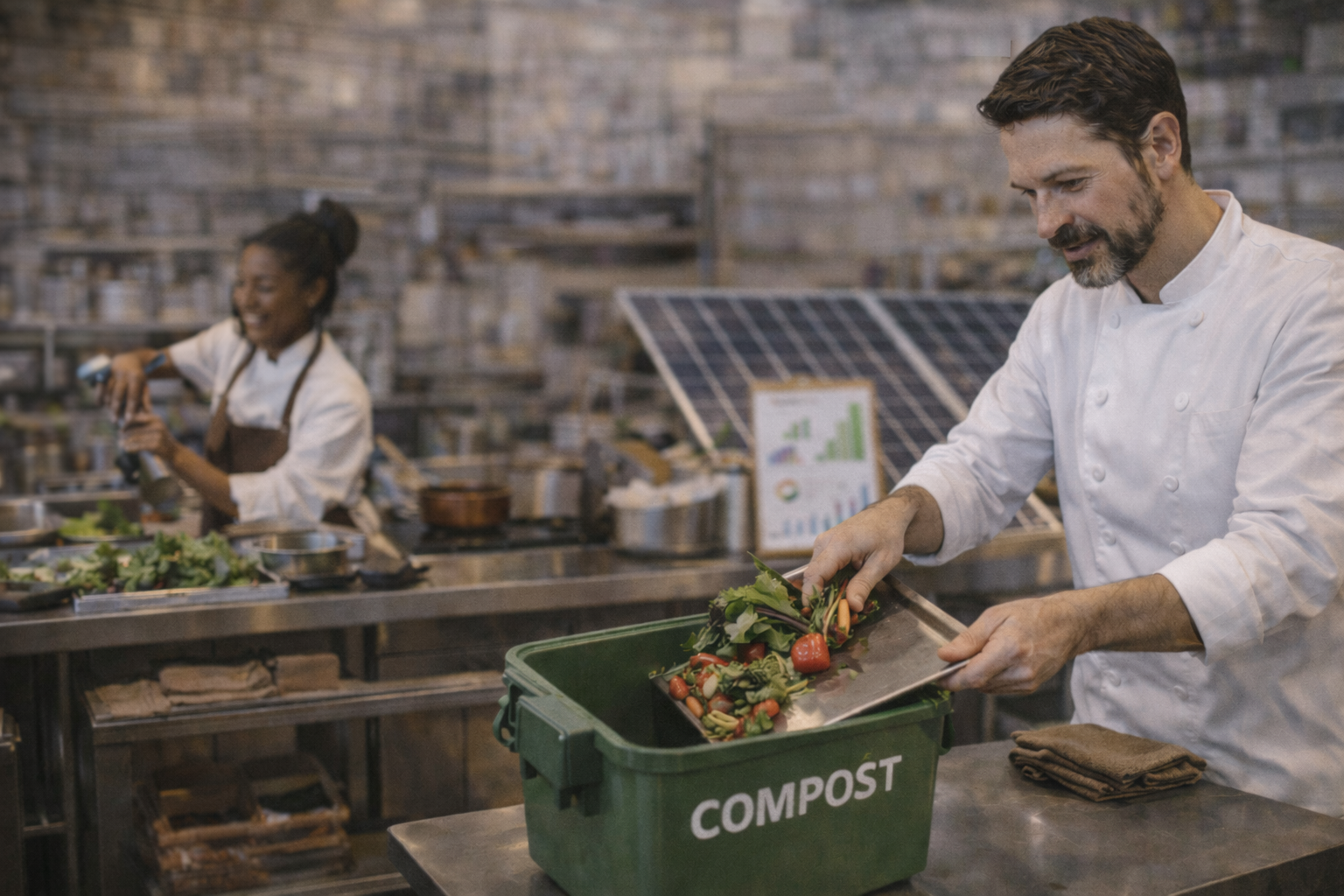
In a world where environmental concerns are growing every day, restaurants have the opportunity to play a crucial role in reducing their environmental impact. Adopting sustainable practices not only benefits the planet, but can also improve operational efficiency and attract an increasingly conscious public. In this article, we will explore various sustainable practices that restaurants can implement to reduce their ecological footprint.
1. Efficient Waste Management
a. Reducing Food Waste
Implement an inventory management system that minimizes food waste. This includes:
- Proper menu planning to efficiently use ingredients.
- Using leftovers to create new dishes.
- Donating unsold food to charities.
b. Recycling and Composting
Establish recycling programs for materials such as paper, cardboard, and plastics. Also, consider composting organic waste, which can be turned into compost for local gardens or on the restaurant's own property.
2. Use of Sustainable Ingredients
a. Local Suppliers
Collaborate with local farmers and producers to source fresh, seasonal ingredients. Not only does this support the local economy, but it also reduces the carbon footprint associated with transporting food.
b. Vegetarian and Vegan Menu Options
Offering vegetarian and vegan alternatives can significantly reduce environmental impact. Meat production has a much higher carbon footprint than vegetables and legumes.
3. Energy Efficiency
a. Efficient Equipment
Invest in energy-efficient kitchen appliances and equipment. Look for energy-efficient labels (such as Energy Star) when selecting new equipment.
b. LED Lighting
Replace traditional light bulbs with LED lighting. These not only use less energy, but also have a longer lifespan.
c. Temperature Control
Install programmable thermostats and efficient ventilation systems to optimize energy use for heating and cooling.
4. Reduced Use of Plastics
a. Eco-Friendly Packaging
If you offer takeout options, use biodegradable or reusable packaging. Consider offering discounts to customers who bring their own containers.
b. Eliminate Single-Use Plastic
Reduce or eliminate the use of plastic straws, cutlery, and plates. Opt for paper alternatives or compostable materials.
5. Education and Awareness
a. Staff Training
Train your team on sustainable practices and the environmental impact of their actions. A well-informed staff can significantly contribute to the restaurant’s eco-friendly initiatives.
b. Involve Customers
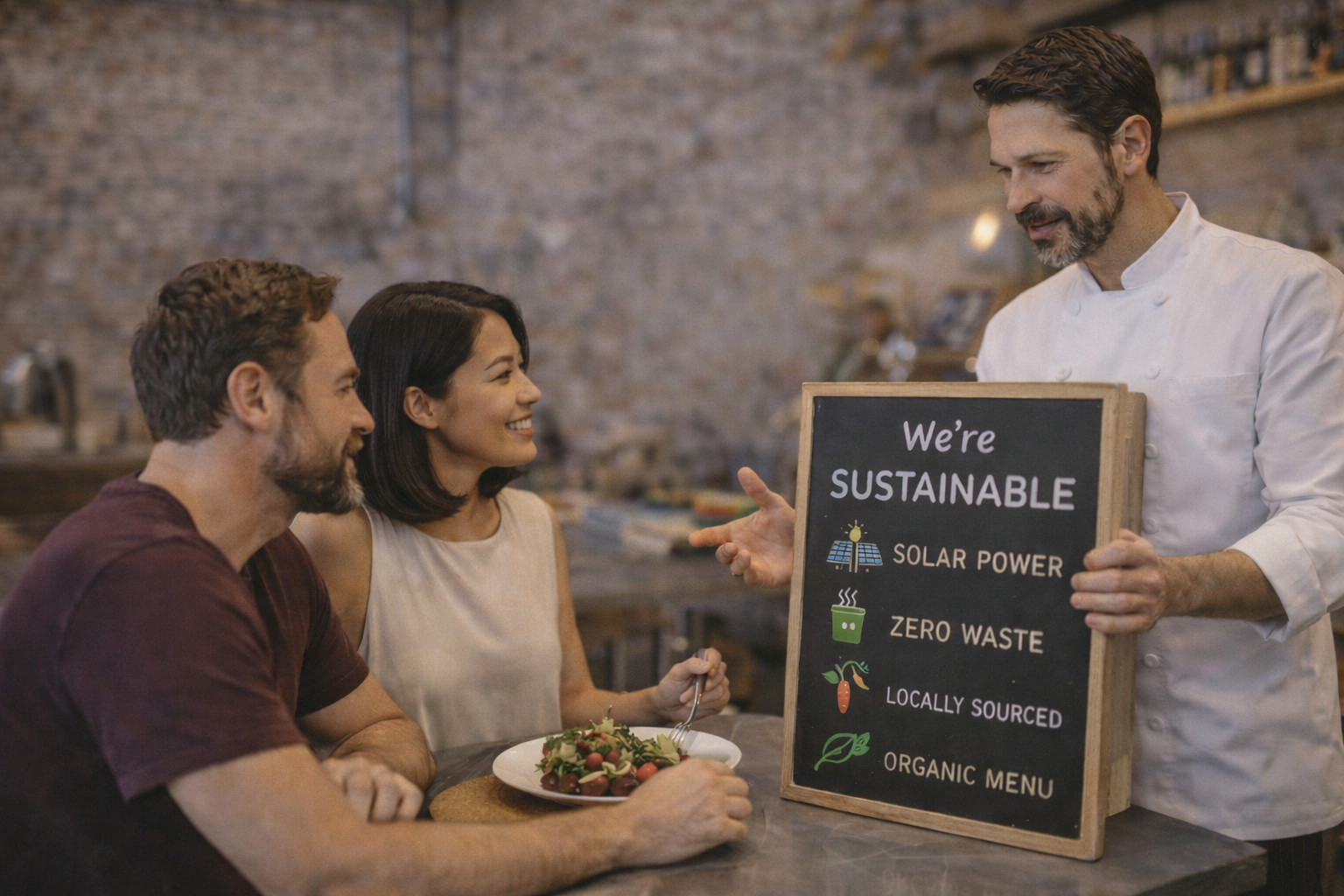
Communicate to your customers about your sustainable efforts and encourage them to participate. You can do this through signs in the restaurant, social media posts, or even small talks about the importance of sustainability.
6. Use of Technology
a. Inventory Management Apps
Implement software that helps you manage inventory and predict demand, which can reduce food waste.
b. Online Reservation and Ordering Systems
Use apps that streamline reservations and orders, reducing wait times and improving customer experience, which can also lead to less resource usage.
Conclusion
Adopting sustainable practices in your restaurant is not only a step towards reducing environmental impact, but can also be a smart strategy to improve efficiency and attract a conscious audience. Every small change can have a big impact, and at MF Imports we are here to support you on your path to sustainability. If you want more information on how to implement these practices or need products that make this process easier, do not hesitate to contact us!
Catalog
Equipa tu restaurante
Muebles artesanales mexicanos para crear espacios únicos e inolvidables.
Ver productos