










37. Food safety regulations you should know.
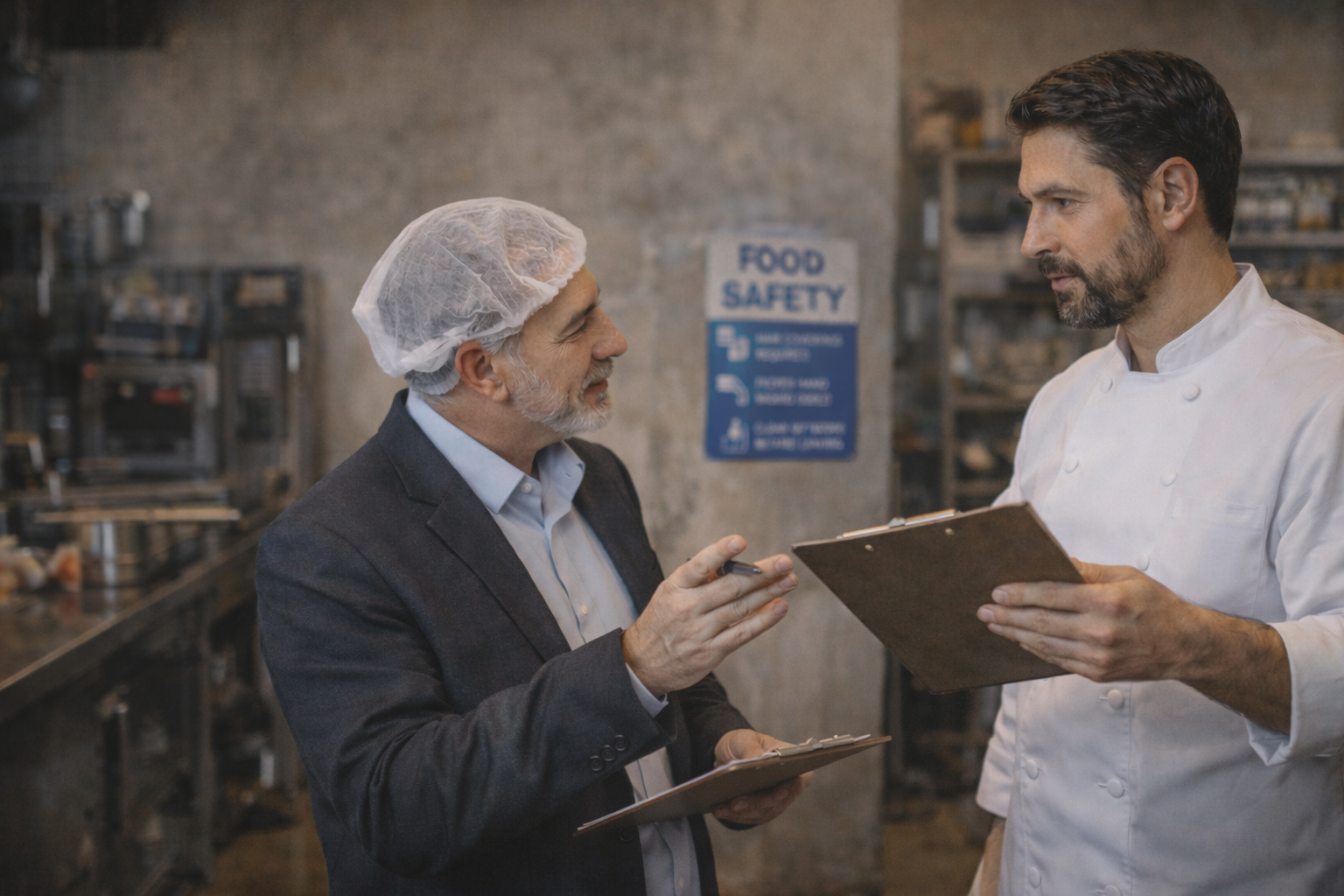
Food safety is a crucial aspect in the food service industry. Ensuring that the food you serve is safe to consume not only protects the health of your customers, but also safeguards the reputation of your business. Food safety regulations can vary by country and region, but there are common principles and regulations that all food professionals should be aware of. Below, we'll explore some of the most important regulations and what they mean for your establishment.
1. HACCP (Hazard Analysis and Critical Control Points)
What is it?
HACCP is a preventative system that identifies, assesses, and controls hazards that can affect food safety. It focuses on seven key principles that must be implemented in any food business.
Why is it important?
Adopting a HACCP system helps minimize the risks of food contamination and ensures that food is handled safely from production to service. It is essential to comply with local and national regulations.
2. Food Storage and Handling Regulations
What does it entail?
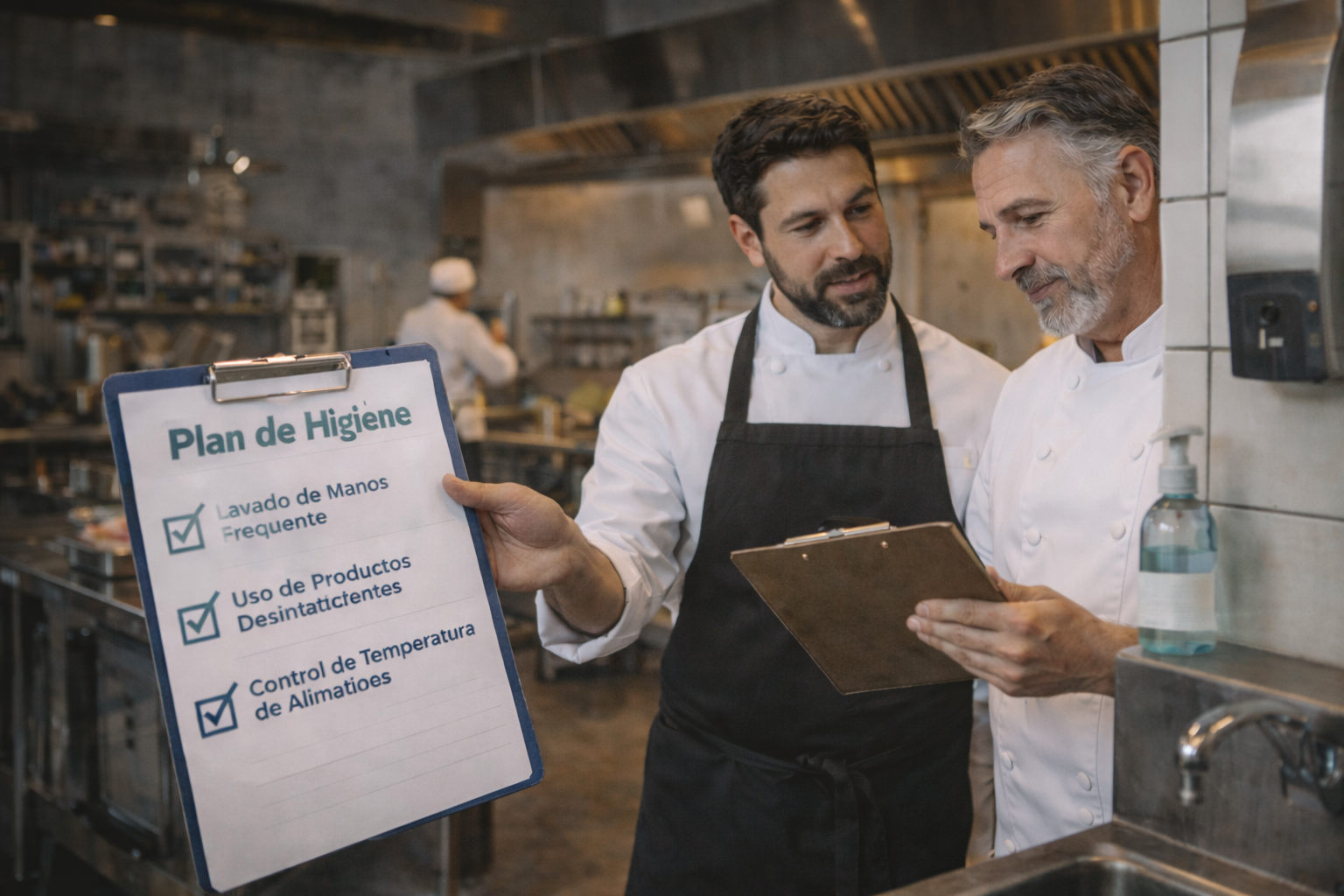
Food storage and handling regulations specify how products should be stored and handled to prevent contamination. This includes proper refrigeration and freezing temperatures, as well as personal hygiene practices for food handlers.
Why is it important?
Complying with these regulations reduces the risk of foodborne illness. Make sure to train your staff on proper handling and storage practices to keep food fresh and safe.
3. Food Labeling Laws
What are they?
Food labeling regulations require food products to contain clear and accurate information about their contents, allergens, and expiration dates. This varies by country, but it is essential that consumers have access to this information.
Why is it important?
Clear labeling allows consumers to make informed choices and reduces the risk of allergic reactions. Make sure all products you serve are labeled correctly and your staff is trained to report ingredients.
4. Kitchen Safety Regulations
What do they entail?
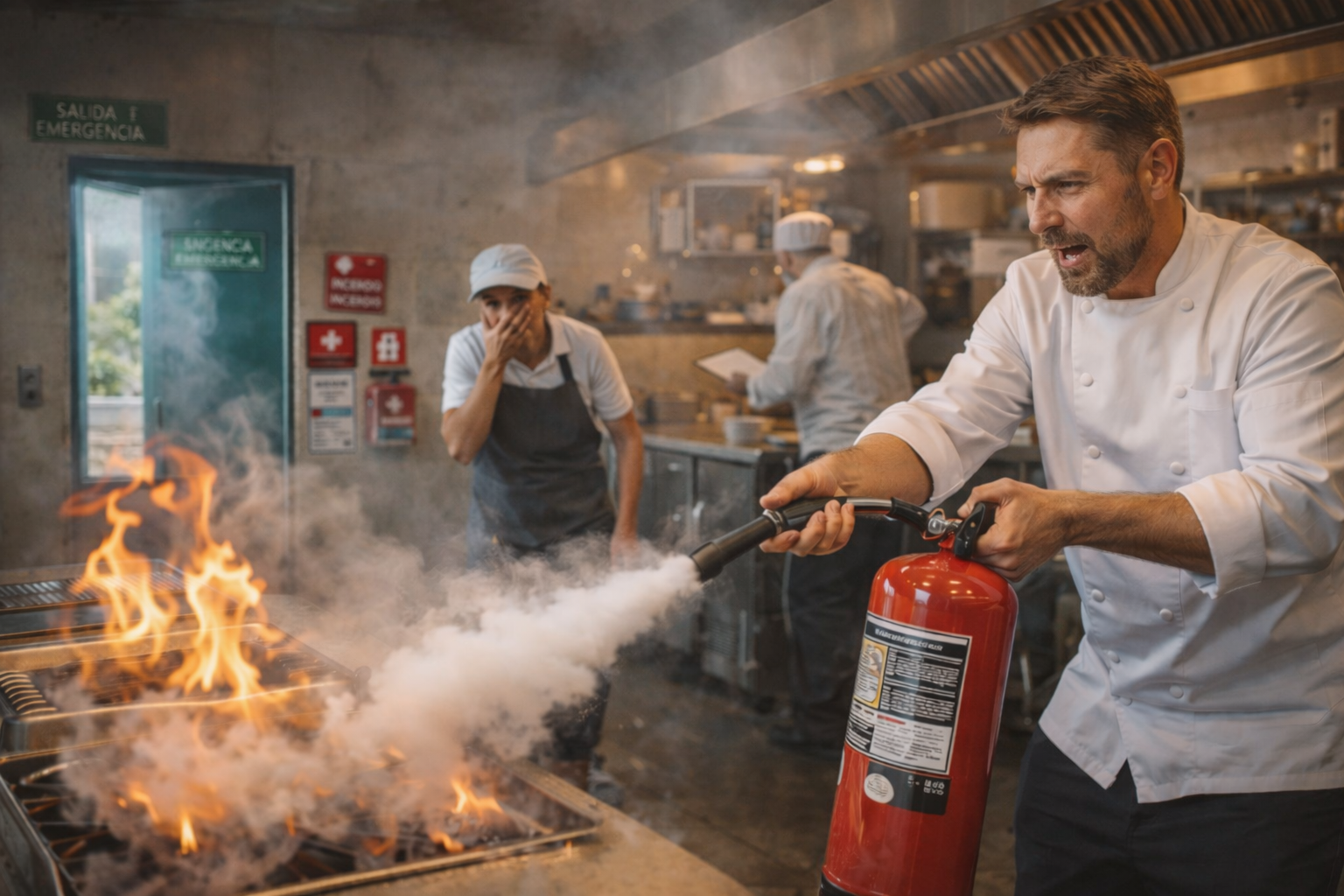
These regulations address kitchen safety, including kitchen design, cleaning and sanitizing surfaces, and fire prevention. They also include regulations on the proper use of equipment and utensils.
Why is it important?
A safe kitchen environment not only protects employees, but also prevents food contamination. Implementing proper cleaning and maintenance practices is critical to complying with regulations.
5. Staff Training
What does it entail?
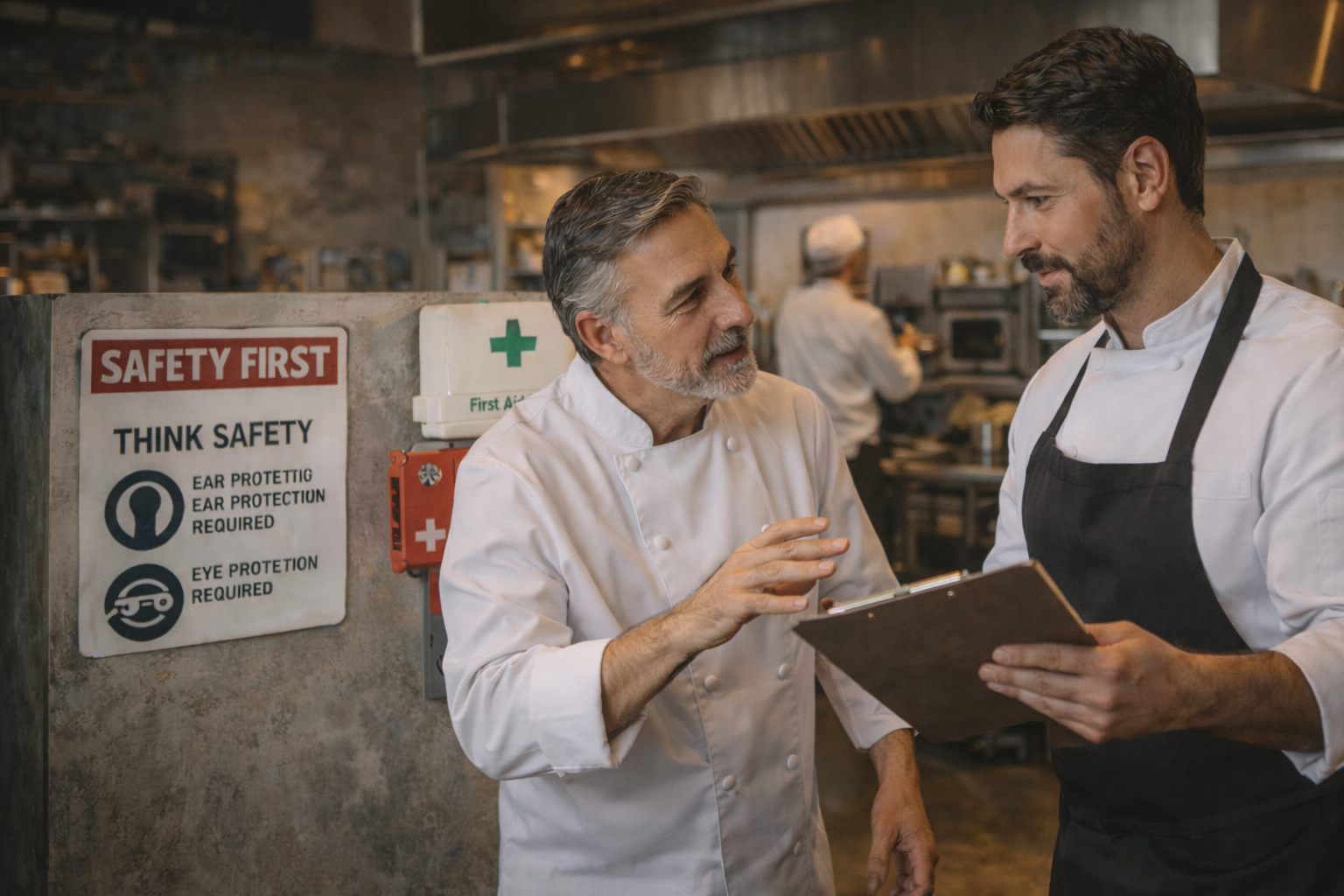
Regulations often require food handling staff to receive food safety training. This includes training in hygiene practices, safe food handling, and emergency response.
Why is it important?
A well-trained team is essential to maintaining food safety. Ongoing training helps keep your staff up to date on best practices and foster a culture of safety in the workplace.
6. Inspections and Compliance
What does it entail?
Food establishments are subject to regular inspections by public health authorities. These inspections assess compliance with food safety regulations and can result in penalties if violations are found.
Why is it important?
Maintaining a high standard of compliance not only prevents penalties, but also contributes to customer confidence in your establishment. Prepare for inspections by keeping proper records of practices and procedures.
Conclusion
Food safety regulations are essential to protecting the health of consumers and ensuring the success of your business. Familiarizing yourself with these regulations and ensuring your team is trained and committed to their compliance is critical. Food safety is not just a legal obligation; it is an ethical responsibility that every food professional must embrace.
Catalog
Equipa tu restaurante
Muebles artesanales mexicanos para crear espacios únicos e inolvidables.
Ver productos