












40. Emergency preparedness and response.
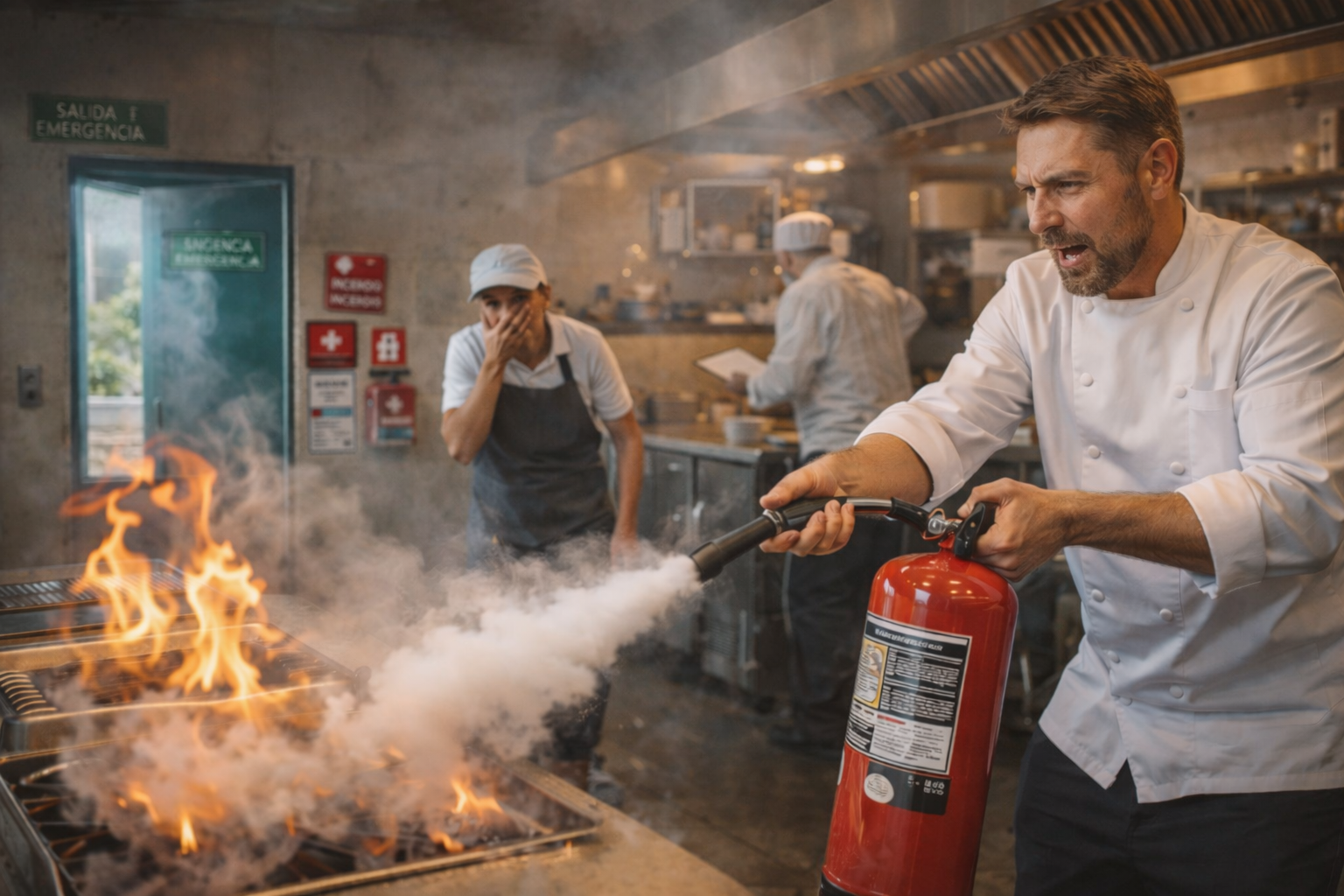
In a constantly changing world, emergency preparedness is a key aspect of business management. At MF Imports, we know that unexpected incidents can occur at any time, and being ready to respond effectively is crucial. The goal should be to protect employees, assets, and operations, minimizing the impact of any emergency.
The Importance of Preparation
Emergency preparedness is not just a matter of regulatory compliance; it is a commitment to employee safety and business continuity. Here are some reasons why preparation is vital:
1. Protection of Human Life: Employee safety is our top priority. An effective response can save lives and prevent serious injuries.
2. Damage Minimization: Proper preparation enables a quick and organized response, helping to minimize damage to facilities and equipment.
3. Business Continuity: Being prepared for emergencies ensures you can maintain operations and fulfill your responsibilities to customers, even in adverse situations.
Preparedness Strategies
Implement a series of strategies to ensure you are ready for any eventuality:
1. Emergency Planning
Develop detailed emergency plans that address a variety of possible situations, such as fires, natural disasters, and medical emergencies. These plans include clear procedures for evacuation, communication, and care of the injured.
2. Training and Drills
Ongoing training is critical to preparedness. Conduct regular drills so all employees are familiar with emergency procedures and comfortable handling high-stress situations. This includes training in first aid, fire extinguisher use, and facility evacuation.
3. Emergency Equipment and Resources
Keep emergency equipment accessible throughout your facilities, including first aid kits, fire extinguishers, and communication equipment. Also, ensure all employees know where they are located and how to use them.
4. Risk Assessments
Conduct periodic risk assessments to identify potential threats and vulnerabilities in our operations. This allows emergency plans to be updated and ensured they are effective and relevant.
5. Effective Communication
Establish clear and effective communication channels to ensure information flows quickly during an emergency. This includes using alert and internal communication systems that inform all employees about the situation and the actions to be taken.
Emergency Response: Act Quickly
Despite the best planning, emergencies can be chaotic. Train employees to respond calmly and effectively, following these principles:
- Stay calm: Calmness in times of crisis is essential. Employees must be trained to act calmly and decisively.
- Follow Protocols: During an emergency, it is essential to follow the protocols established in our response plans. This helps ensure everyone is safe and that actions are coordinated.
- Continuous Communication: Maintaining constant and clear communication is vital. Informing employees about the situation and the decisions made can help reduce uncertainty and panic.
Conclusion
Emergency preparedness and response are fundamental aspects of a good safety culture. You must be committed to protecting employees and assets, ensuring they are ready to face any challenge that arises. Safety is everyone's responsibility, and together we can create a safer and more resilient work environment.



Catalog
Equipa tu restaurante
Muebles artesanales mexicanos para crear espacios únicos e inolvidables.
Ver productos