







How to Maximize Seating Capacity in Your Mexican Restaurant

Your restaurant's seating capacity directly determines your revenue potential. A well-designed floor plan can mean the difference between 50 and 70 covers per shift — at a $25 average ticket, that's $500 more per service or over $180,000 per year. Optimizing your Mexican restaurant's layout isn't about cramming in as many tables as possible, but doing it intelligently while respecting diner comfort and safety codes.
Minimum Space Standards Per Person
Before moving a single table, you need to know the space standards. Building codes and industry norms in the United States establish:
- Casual restaurant: 12–15 sq ft per diner
- Full-service restaurant: 15–18 sq ft per diner
- Fine dining: 18–22 sq ft per diner
- Main aisle: minimum 36 inches (ADA accessible)
- Secondary aisle: minimum 24 inches
To calculate your theoretical maximum capacity, take the square footage of your dining area (excluding kitchen, restrooms, and bar) and divide by 14 sq ft for a casual Mexican restaurant. That is your target number.
The Right Mix of Seating Types
The secret to an efficient layout is the strategic combination of three seating types:
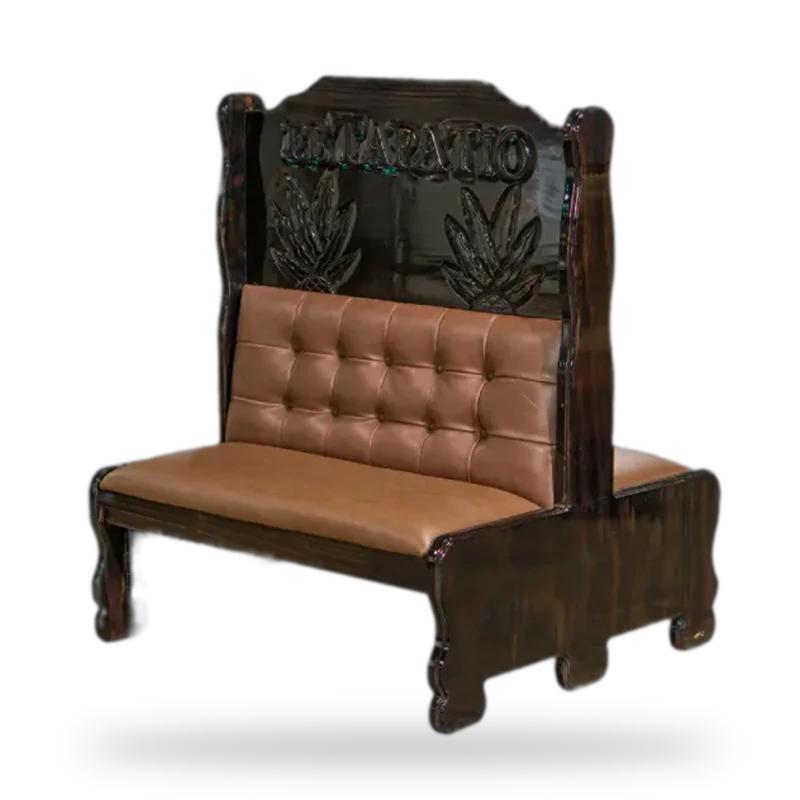
1. Perimeter booths (30–40% of total seating): Place booths along all available walls. They occupy the least "sellable" space in the dining room — the edges — and turn dead square footage into productive seats. An 8-foot wall booth can seat 4 to 6 people in the same space as a conventional 4-top table with chairs, while delivering a better guest experience.
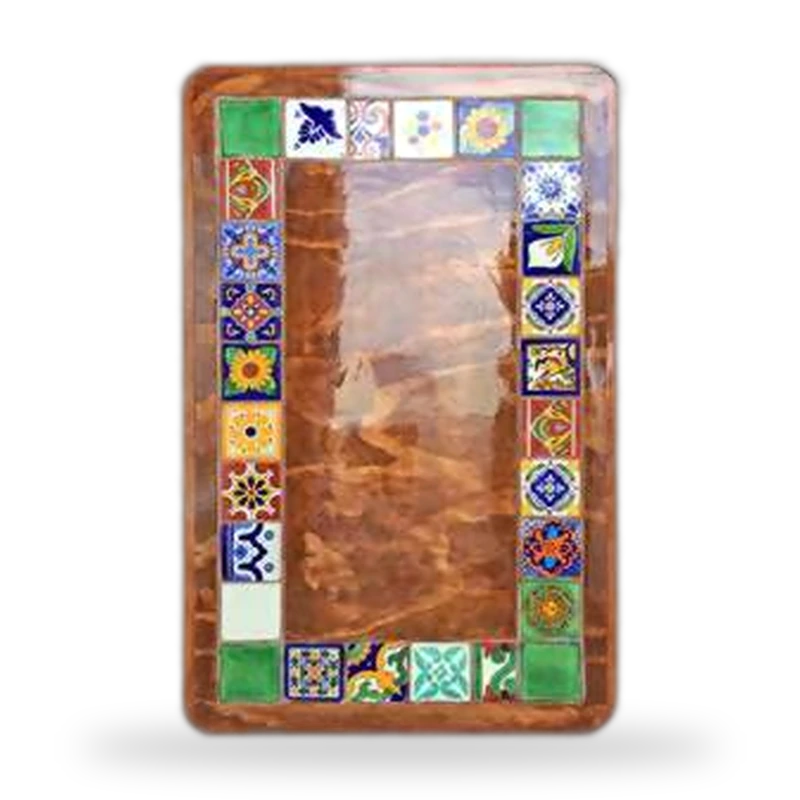
2. Square or rectangular tables in the center (50–60% of total seating): 30x30-inch square tables are the most space-efficient option for 2 guests and can easily be pushed together for groups of 4 or more. Avoid round tables in the center of the dining room — they take up more space and are harder to combine.
3. Bar seating (10–20% of total seating): If you have a bar or a street-facing window, bar stools are the most space-efficient seating available — approximately 18 to 24 linear inches per person. They are perfect for solo diners or couples who want a different kind of experience.
Layout Techniques to Gain Seats
Variable density zones: Not every part of the dining room needs the same spacing. Create a denser central zone (12 sq ft/person) and more comfortable perimeter zones with booths (15 sq ft/person). This maximizes your overall average without making the entire room feel cramped.
Modular tables: Invest in tables that can be joined easily. Four 2-top tables become one long table for 8 when a large group arrives. This flexibility lets you have more active tables during the week and special configurations for events without buying additional furniture.
Continuous bench seating: Unlike individual booths, long bench seating along a wall can serve variable-size groups simply by repositioning the tables. A 20-foot wall with a continuous bench can accommodate anywhere from five 2-person tables to two 5-person tables, depending on the day's demand.
Common Mistakes That Reduce Your Capacity
- Making the host stand area too large (more than 6 feet deep is wasted space)
- Using 36-inch round tables where two 24-inch square tables would fit
- Placing tables with chairs in corners where a booth would make much better use of the space
- Not accounting for the space chairs take when pulled out (add 18 inches to your calculations)
Practical Tool: Capacity Calculator
Use our free Capacity Calculator at MF Imports to get a personalized estimate based on your space dimensions and restaurant type. With the right layout and the right furniture, you can increase your seating capacity by 15% to 25% without expanding your physical space.

Catalog
Equipa tu restaurante
Muebles artesanales mexicanos para crear espacios únicos e inolvidables.
Ver productos