







- Complete Guide
- Reading time: 7 min
The Definitive Guide to Equipping Your Mexican Restaurant in the United States
Opening or renovating a Mexican restaurant in the USA takes critical decisions about furniture, kitchen equipment and decor. This guide covers it all — from the first piece of furniture to the typical budget — so your restaurant conveys authenticity from day one.
Section 1
1. Why Furniture Defines the Experience
In a Mexican restaurant in the United States, the atmosphere is part of the product. Diners are not just looking for authentic tacos or enchiladas like the ones back home — they want to feel like they are in Mexico. Furniture, decor and the layout of the space convey authenticity before the first dish reaches the table.
Studies by the National Restaurant Association indicate that 60% of diners cite atmosphere as a deciding factor in returning to a restaurant. In the ethnic restaurant segment that share is even higher, because customers are looking for a complete cultural experience.
Authentic furniture made in Mexico — solid mesquite, genuine leather, wrought iron — has a significantly higher perceived value than mass-produced alternatives. That perceived value justifies higher prices and builds loyalty.
Section 2
2. Essential Furniture: Chairs, Tables and Booths
Here is the basic furniture inventory for a 60-seat Mexican restaurant, the typical entry size in the US market.
| Category | Typical quantity | Recommended features | Approx. price (USD) |
|---|---|---|---|
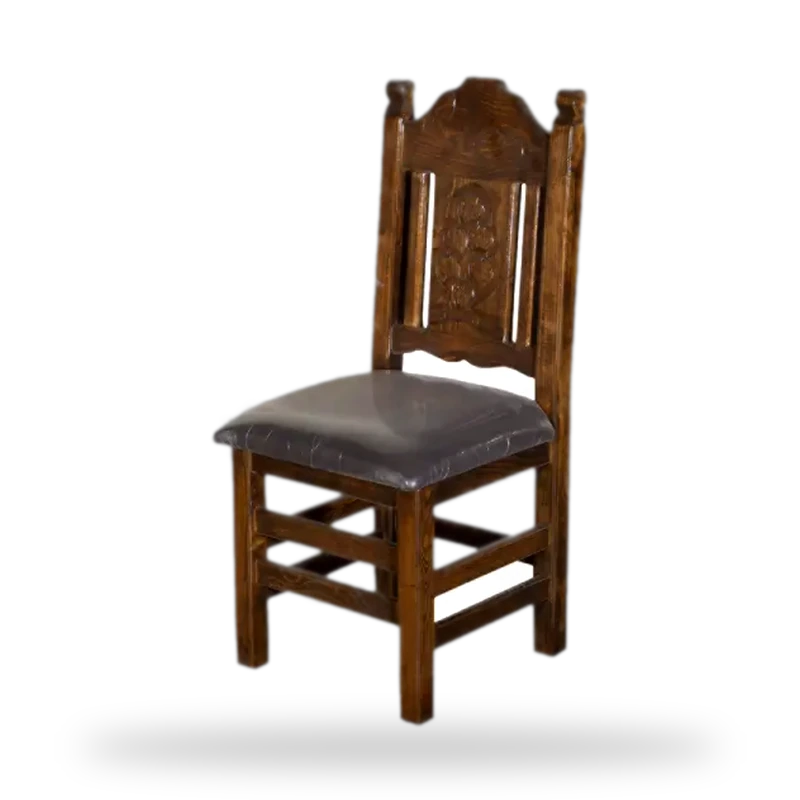
| Rustic chairs | 40–60 pieces | Solid pine or mesquite, seat upholstered in vinyl or leather. Highly durable. | $85–$220 ea. |
| Equipales | 10–20 pieces | Natural leather and pirulillo wood. An icon of Jalisco craftsmanship. | $120–$350 ea. |
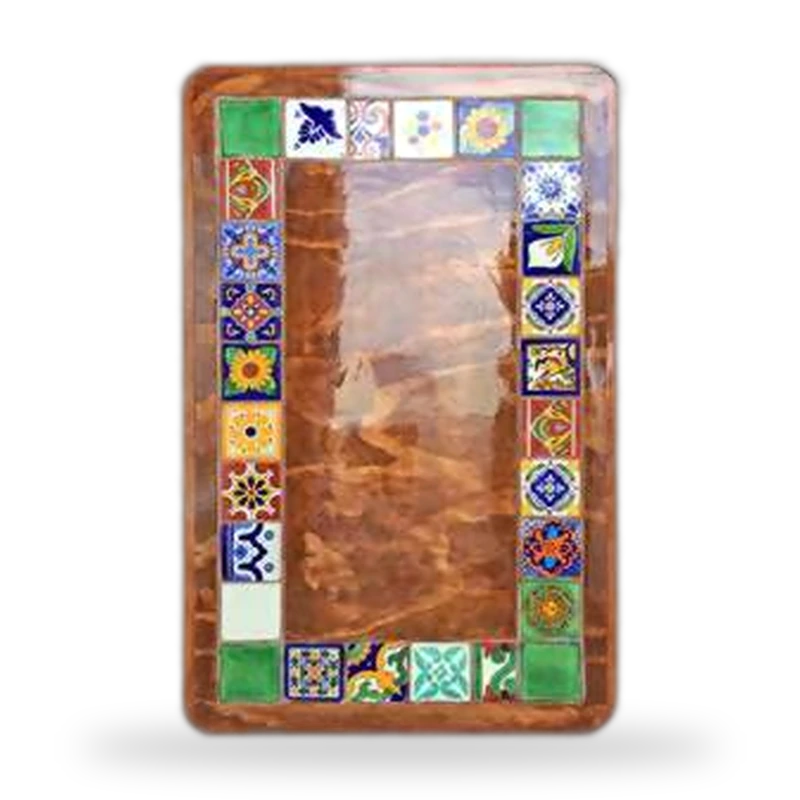
| Tables for 4 | 12–15 tables | Solid wood with a wrought-iron base. 36"x36" or 30"x48". | $180–$450 ea. |
| Tables for 2 | 4–6 tables | For the patio or bar area. 24"x30". | $120–$280 ea. |
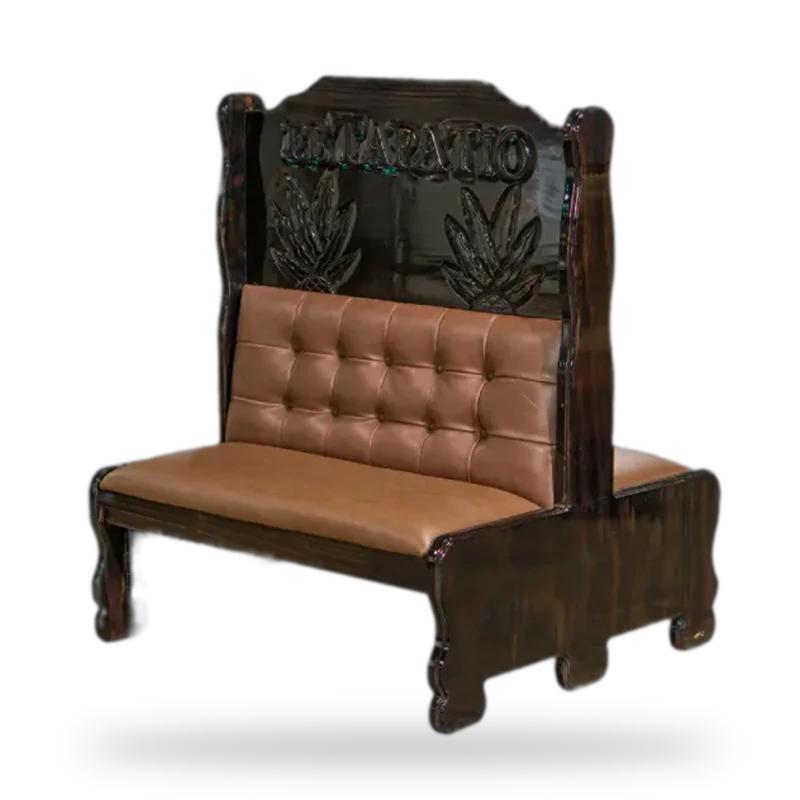
| Upholstered booths | 4–8 units | Wood frame, commercial vinyl upholstery. Single or double booth. | $350–$900 ea. |
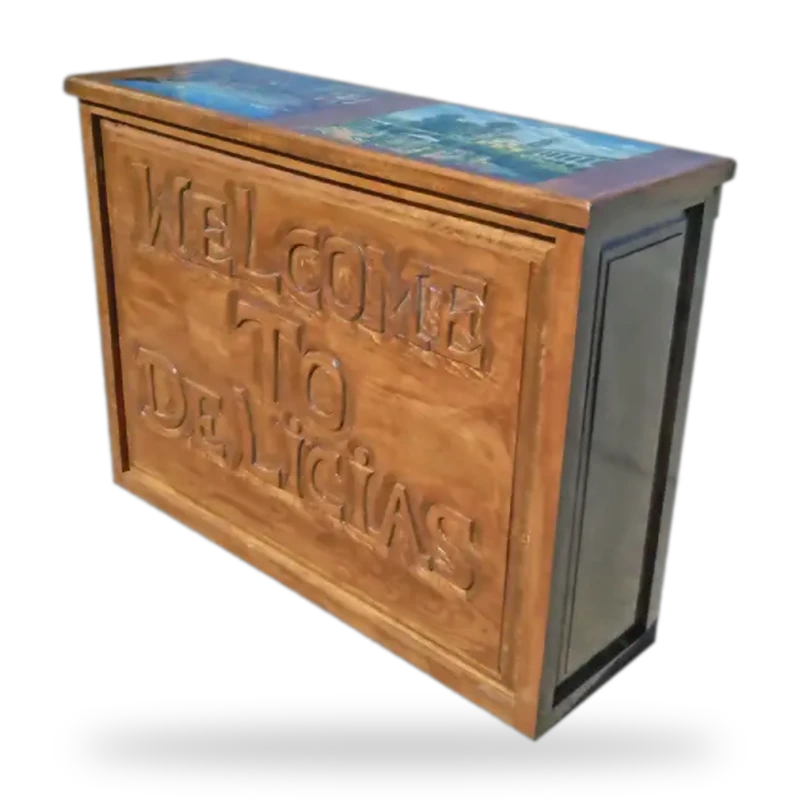
| Bar and stools | 1 bar, 8–12 stools | Wooden bar with wrought-iron details. Tall stools with backrest. | $2,500–$8,000 set |
Commercial durability
For heavy commercial use, choose solid wood over MDF. Mesquite and oak last 15+ years with minimal maintenance.
Restaurant upholstery
Commercial-grade vinyl (Naugahyde or similar) is more practical than leather in high-turnover areas. Genuine leather is ideal for bar areas or private dining rooms.
Correct dimensions
In the USA, the ADA requires aisles of at least 36" between tables. Plan your layout before ordering furniture.
Section 3
3. Kitchen Equipment for a Mexican Menu
The kitchen is the heart of the business. A typical Mexican menu needs specific equipment that general commercial-kitchen lists don’t always include.
Essential hot line
- 6- or 8-burner range (high BTU for woks and cazuelas)
- Commercial griddle for quesadillas and tortillas
- Convection oven (tamales, baked dishes)
- Commercial fryer (tostadas, chiles rellenos)
- Bain-marie for salsas and beans
Mexican-specific equipment
- Commercial tortilla machine (or tortilla warmer)
- Grinder for preparing salsas
- Clay cazuelas (decorative and functional)
- Large 24" or 36" comal
- Molcajetes for serving guacamole
Cold line
- Walk-in cooler (6'x8' minimum)
- 67" refrigerated prep table
- Freezer for ice cream and Mexican paletas
- Bar refrigerator for drinks
- 300 lb/day ice machine
Dishwashing area and misc.
- 3-compartment sink (NSF required)
- Commercial dishwasher
- Exhaust hood with fire-suppression system
- Floor scale
- POS system with kitchen printer
All kitchen equipment must be NSF (National Sanitation Foundation) certified to pass the county health department inspections. Don’t buy equipment without NSF certification, even if it is cheaper.
Section 4
4. Decor and Authenticity
Decor is where many restaurants make the mistake of cutting the budget — and regret it later. In the Mexican segment, visual authenticity is a critical differentiator against Tex-Mex chains that use generic decor.
Clay planters
Plants such as nopal, ferns and bougainvillea in hand-painted clay planters. A high-impact visual element.
Sarapes and textiles
Saltillo sarapes as table runners, chair cushions or wall hangings. Verifiable authenticity.
Retablos and folk art
Ex-votos, Virgins of Guadalupe, Frida Kahlo, catrinas and authentic papel picado.
Lighting
Warm lights (2700K-3000K). Tin lamps, colored candles in wrought-iron candelabras.
Signs and lettering
Entrance sign with the restaurant’s name in wrought iron or carved wood. Talavera tile signs.
Hutches and display cases
Wooden hutch to display mezcals, tequilas or crafts. Bar display case with LED lighting.
"Golden rule"
Section 5
5. Typical Budget by Restaurant Type
Costs vary significantly by concept, state and size. This table is a reference based on real projects by MF Imports customers.
| Concept | Seats | Furniture | Kitchen | Decor | Approx. Total |
|---|---|---|---|---|---|
| Casual taqueria | 30–40 | $4,000–$8,000 | $12,000–$25,000 | $1,500–$3,000 | $20,000–$40,000 |
| Family restaurant | 60–80 | $15,000–$35,000 | $25,000–$55,000 | $4,000–$10,000 | $50,000–$110,000 |
| Restaurant with bar | 80–120 | $25,000–$60,000 | $40,000–$80,000 | $8,000–$25,000 | $80,000–$175,000 |
| Mexican fine dining | 40–60 | $30,000–$80,000 | $60,000–$120,000 | $15,000–$50,000 | $120,000–$280,000 |
* Reference costs in USD. They exclude rent, build-out, permits and initial working capital. Furniture prices correspond to handcrafted production in Mexico with shipping to the USA included.
Section 6
6. Permits and Licenses in the USA
Requirements vary by state and county, but these are the permits virtually every Mexican restaurant needs:
-
Business License
Operating license from the city or county. Usually $50–$500/year.
-
Food Handler Permit
Food handling certification for the owner and at least one employee per shift. Requires a course (ServSafe recommended).
-
Health Department Permit
County health department inspection before opening. Requires all equipment to be NSF-certified.
-
Certificate of Occupancy
Issued by the city building department. Confirms the premises meet building codes.
-
Liquor License (if applicable)
A liquor license can take 60–180 days and cost $1,000–$15,000 depending on the state. Texas, California and Florida have different processes.
-
Signage Permit
Permit for exterior signs. Many cities restrict size and type of lighting.
-
EIN (Employer Identification Number)
Tax ID number for the business. Free, obtained at IRS.gov in 15 minutes.
Section 7
7. Opening Checklist
Use this checklist as a starting point. Adapt it to your state and specific concept.
6 months before
- Define concept and name
- Find and lease a location
- Hire an architect/designer
- Apply for a business license
- Start the liquor license process
- Get furniture quotes
3–4 months before
- Sign the furniture contract (delivery in 8–10 weeks from order confirmation, production and shipping included)
- Buy or lease kitchen equipment
- Hire an exhaust hood company
- Start the health permit process
- Hire key staff (chef, GM)
4–6 weeks before
- Receive and place furniture
- Install kitchen equipment
- Decor and signage
- Health inspection (pre-opening)
- Staff training
- Soft opening with guests
At opening
- Professional photography of the space
- Create Google Business and Yelp profiles
- Activate POS and payments
- Launch social media
- Confirm business and liability insurance
- Marketing plan for the first 8 weeks
Section 8
8. Where to Buy Authentic Mexican Furniture
This is where many owners make costly mistakes. Buying commercial-quality, authentic furniture with a warranty isn’t easy if you don’t know the right channels.
Direct manufacturer in Mexico
Pros: Lowest price, maximum customization, guaranteed authenticity, built for commercial use.
Cons: Delivery in 8–10 weeks from order confirmation, production and shipping included; import coordination.
Specialized importers (like MF Imports)
Pros: Inventory available in the USA, import already handled, support in English and Spanish, warehouse in Texas.
Cons: Less customization than a direct manufacturer.
Restaurant supply distributors
Pros: Fast delivery, financing available.
Cons: Generic furniture, not authentic Mexican, lower commercial quality.
Amazon / Wayfair
Pros: Low price, fast delivery.
Cons: Not commercial quality, not built for heavy use, no authenticity.
Additional resources for restaurant owners
- Tormex Pro — Industrial kitchen equipment specialized for Mexican restaurants.
- National Restaurant Association — Resources for restaurant owners: industry, regulations and trends.
- SBA.gov — Licenses and Permits — Federal guide to business permits by industry and state.
Next step
Ready to equip your restaurant?
We manufacture directly in Guadalajara, Jalisco. Shipping across the United States. Free, no-obligation quote.