








- Complete Guide
- Reading time: 4 min
How to Equip a Seafood Restaurant: Complete Guide
The right materials, an efficient layout and authentic nautical decor. Everything you need to know before equipping your marisquería.
A seafood restaurant poses unique challenges compared to other formats: constant humidity, frequent spills, odors and handling fresh product demand specially selected furniture. Choosing poorly can mean furniture that deteriorates in less than a year.
In this guide we cover the most resistant materials, the ideal layout for a marisquería and how to create authentic nautical decor that connects with customers.
Section 1
1. Materials: moisture resistance first
The number-one priority in a marisquería is durability. Furniture will be exposed to steam, spills, ambient humidity and frequent cleaning with chemicals. These are the most recommended materials:
Section 2
2. Cold display cases and product display
Displaying fresh seafood where customers can see it is one of the most powerful purchase drivers in a marisquería. There are two main formats:
Ice display (cevichería style)
Stainless-steel trays on ice at the counter. Very visual and inexpensive, but needs constant ice replenishment. Ideal for cevicherías and oyster bars.
Refrigerated display case
Longer shelf life, controlled temperature, more hygienic. Higher upfront investment ($2,000-$5,000 USD) but more efficient to run.
Tip: If you use an ice display, design the counter with a slope toward a drain. Keep meltwater from reaching the dining area.
Section 3
3. Booths, tables and chairs: the best options
Booths with marine vinyl (the most popular option)
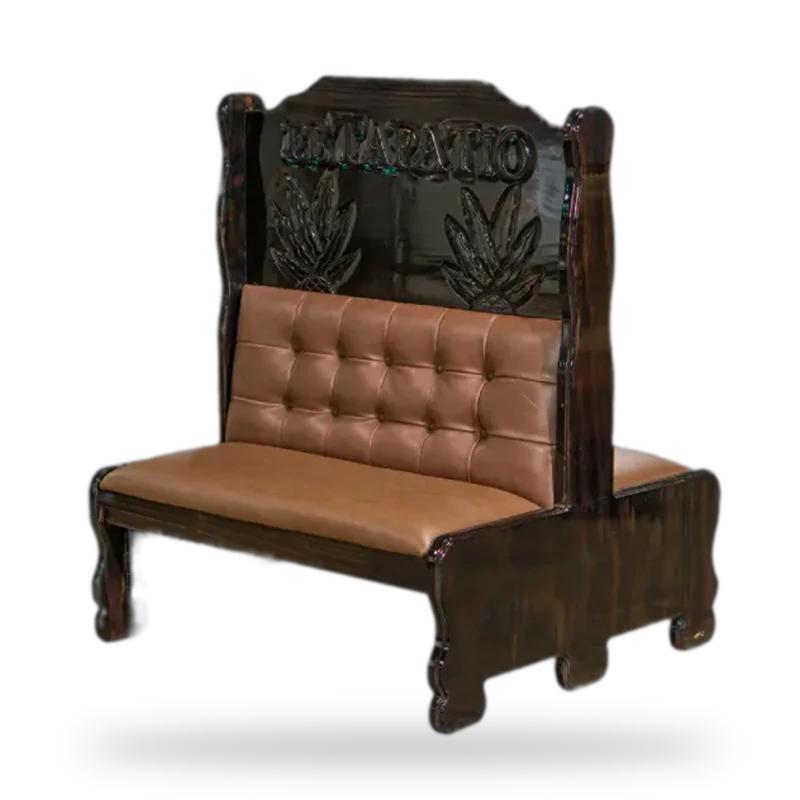
Booths are the most characteristic element of established marisquerías. They create an intimate, pleasant atmosphere and lengthen the customer’s stay — which raises the average check.
- Upholstery in blue or white marine vinyl: splash-resistant
- Frame in treated wood or sealed metal
- Tables with melamine or tempered-glass tops (easy to clean)
- Reference price: $450-$700 per complete booth (seat + double backrest)
Tables: easy-to-clean surfaces
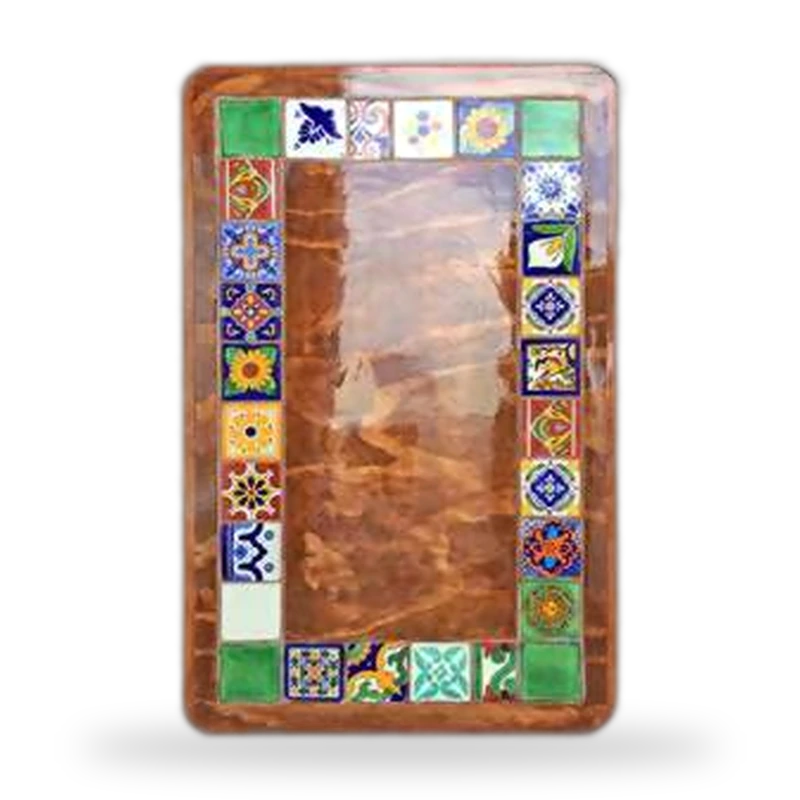
For the dining area without booths, white or blue melamine and tempered glass are the most hygienic and easiest surfaces to disinfect.
Melamine
Affordable, washable, doesn’t absorb odors
Tempered glass
The most hygienic, premium look
Stainless steel
Industrial, hygienic, durable
Chairs: comfort and durability
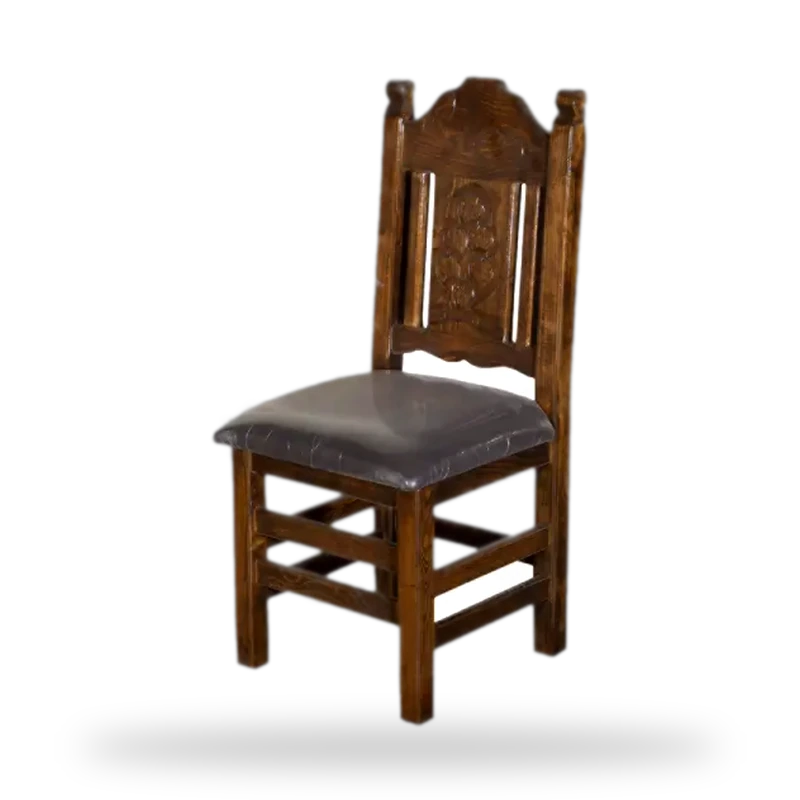
For the open dining area, commercial-grade plastic chairs or iron chairs with a treated-wood seat are the most practical. In higher-priced marisquerías, chairs upholstered in marine vinyl elevate the experience.
- Commercial polypropylene chairs: hose-washable, stackable, from $45/ea.
- Iron chairs with a treated-wood seat: more elegant, $85-$130/ea.
- Chairs with a marine-vinyl upholstered seat: more comfortable, $120-$180/ea.
Section 4
4. Typical budget for a marisquería
| Item | Small marisquería (40 seats) | Medium marisquería (80 seats) |
|---|---|---|
| Booths (marine vinyl) | $2,700 – $4,200 | $5,400 – $8,400 |
| Tables (washable top) | $1,200 – $2,400 | $2,400 – $4,800 |
| Chairs (iron + treated wood) | $1,500 – $2,800 | $3,000 – $5,600 |
| Cold display / case | $800 – $3,000 | $2,000 – $6,000 |
| Nautical decor | $1,000 – $2,500 | $2,000 – $5,000 |
| TOTAL FURNITURE | $7,200 – $14,900 | $14,800 – $29,800 |
* Prices in USD. Kitchen equipment and industrial refrigeration not included. Varies with materials and finishes.
Section 5
5. Nautical decor: create the experience
Nautical decor in a marisquería reinforces the idea of freshness and coastal tradition. These are the most effective elements:
Next step
Ready to equip your marisquería?
Use our tools or talk directly with a specialist in seafood restaurant equipment.