









1. How to create an effective business plan for your restaurant?

Introduction
Starting a restaurant is an exciting dream, but it requires meticulous planning. An effective business plan is essential to guide you every step of the way. This blog will help you understand the key components of a successful business plan, with a special focus on Mexican restaurants. So we will start with:
1. Executive Summary
The executive summary is an overview of your business plan. It should be clear and concise, capturing the essence of your restaurant.
• Business description: Briefly explain the concept of your restaurant, its name, location and type of cuisine. For a Mexican restaurant, mention if you will specialize in a specific region of Mexico, or if you will offer a modern fusion of traditional dishes.
• Mission and vision: Describe the core values ??and long-term goals of your restaurant.
• Goals and objectives: List your financial and growth goals, both short and long term.
2. Market Analysis
A market analysis will help you understand your competition and your target audience.
• Competitor Research: Identify other Mexican restaurants in your area. What are you offering? What are your strengths and weaknesses?
• Target audience: Define your ideal clients. Are they families, young people, tourists? What do you look for in a Mexican restaurant?
• Market trends: Analyzes current trends in the restaurant industry and specifically in Mexican food. This may include the popularity of certain dishes, demand for vegan or gluten-free options, etc.
3. Restaurant Concept
Detail your restaurant's unique concept, which will make it stand out from the competition.
• Menu: Describe the main dishes you will offer. Include a sample of your menu, highlighting authentic ingredients and traditional Mexican recipes.
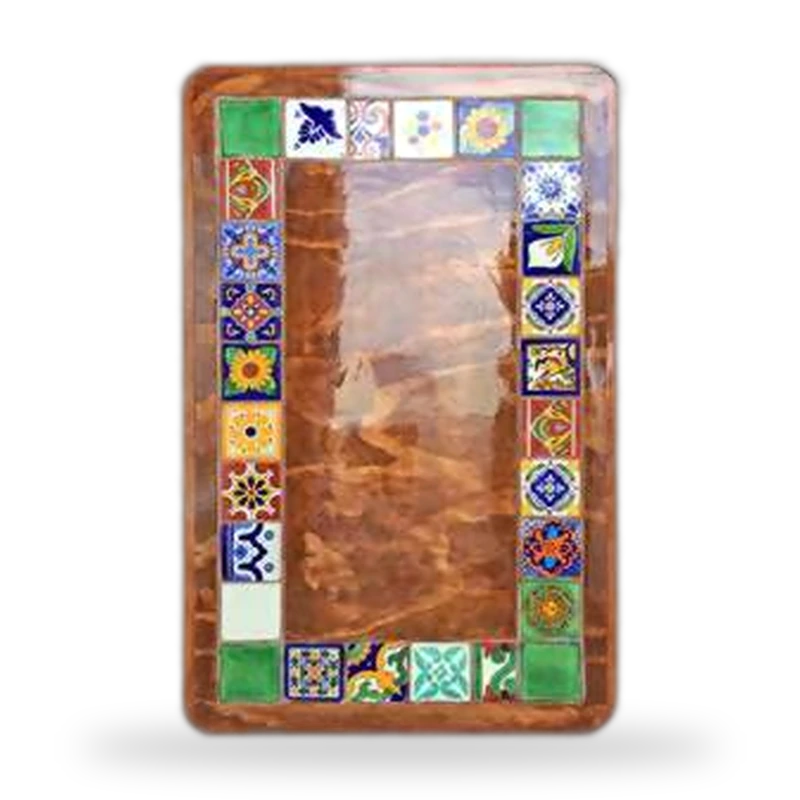
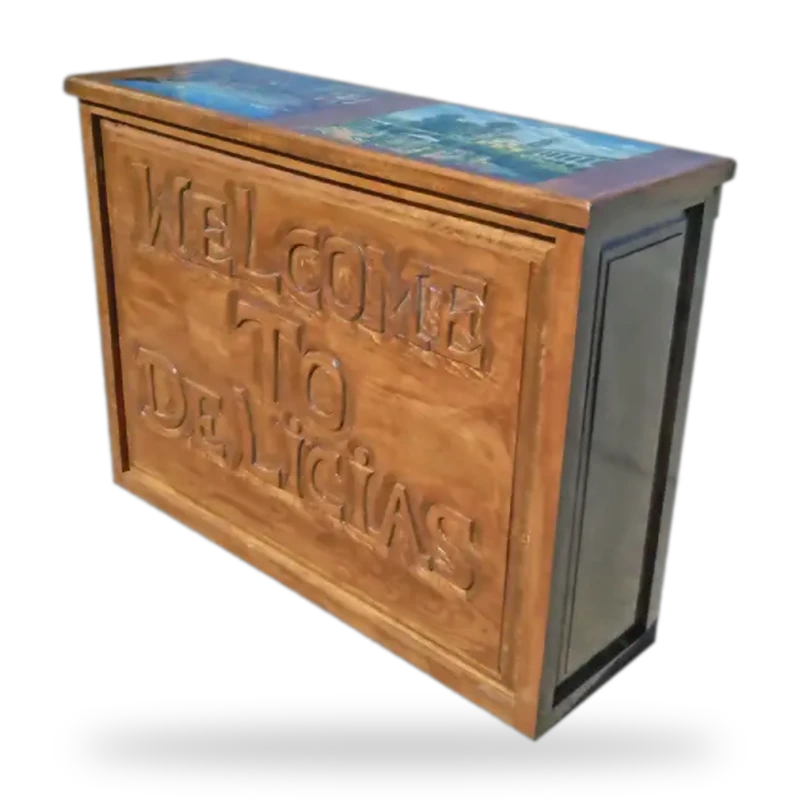
• Design and atmosphere: Explain what the decoration and atmosphere of your restaurant will be like. Decoration is crucial to creating a memorable and authentic experience. Investing in high-quality items, such as tableware, furniture, and traditional decorative elements, can make a difference in the perception of your customers.
o Importance of decoration: A well-decorated restaurant not only attracts more customers, but also invites them to stay longer and return. Customers appreciate an environment that offers them a complete cultural experience, which can be a key differentiator in a competitive market.
o Essential products: Consider investing in items such as Mexican talavera for tableware, handcrafted wooden chairs and tables, embroidered textiles, and traditional wall art. These elements not only beautify the space, but also tell a story that enriches the customer experience.
o Customer experience: The decoration should reflect the authenticity of Mexican cuisine, creating an environment that transports customers to Mexico. This can include traditional music, warm lighting, and authentic decorative elements that reinforce the restaurant's theme.
4. Marketing and Sales Plan
A solid marketing plan will help you attract and retain customers.
• Marketing strategies: Describe the strategies you will use to promote your restaurant. This can include social media, collaborations with food influencers, local advertising, and special events.
• Loyalty program: Consider implementing a loyalty program to keep your customers coming back.
• Events and promotions: Plan themed events, such as mariachi nights or Mexican food festivals, to appeal to different market segments.
5. Operations and Management
This section covers the organizational structure and operational processes.
• Work team: Define the roles and responsibilities of your staff. Includes training plans to ensure everyone understands and can deliver an authentic culinary experience.
• Suppliers: Establish relationships with trusted suppliers who can provide you with fresh, authentic ingredients.
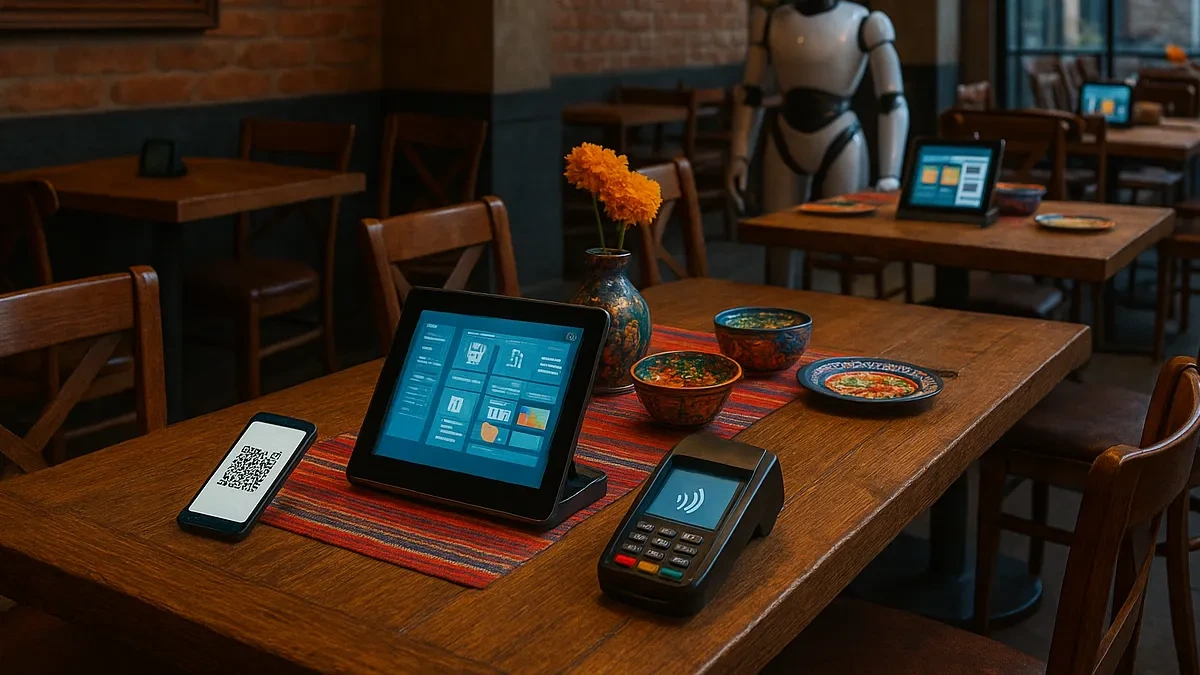
• Technology: Mention any technology you will use to improve efficiency, such as point-of-sale (POS) systems, online reservations, and inventory management.
6. Financial Plan
A detailed financial plan is crucial to ensure the viability of your restaurant.
• Initial budget: Calculate initial costs, including rent, renovation, equipment, and licenses.
• Financial Projections: Provides detailed projections of income and expenses for the first few years. Includes a break-even analysis.
• Financing: Describe how you plan to finance your restaurant, whether through personal savings, loans, investors, or a combination of these.
Creating a business plan for a restaurant is a complex but vital process. By focusing on each of these areas, you will be well on your way to opening a successful and sustainable Mexican restaurant.

Catalog
Equipa tu restaurante
Muebles artesanales mexicanos para crear espacios únicos e inolvidables.
Ver productos